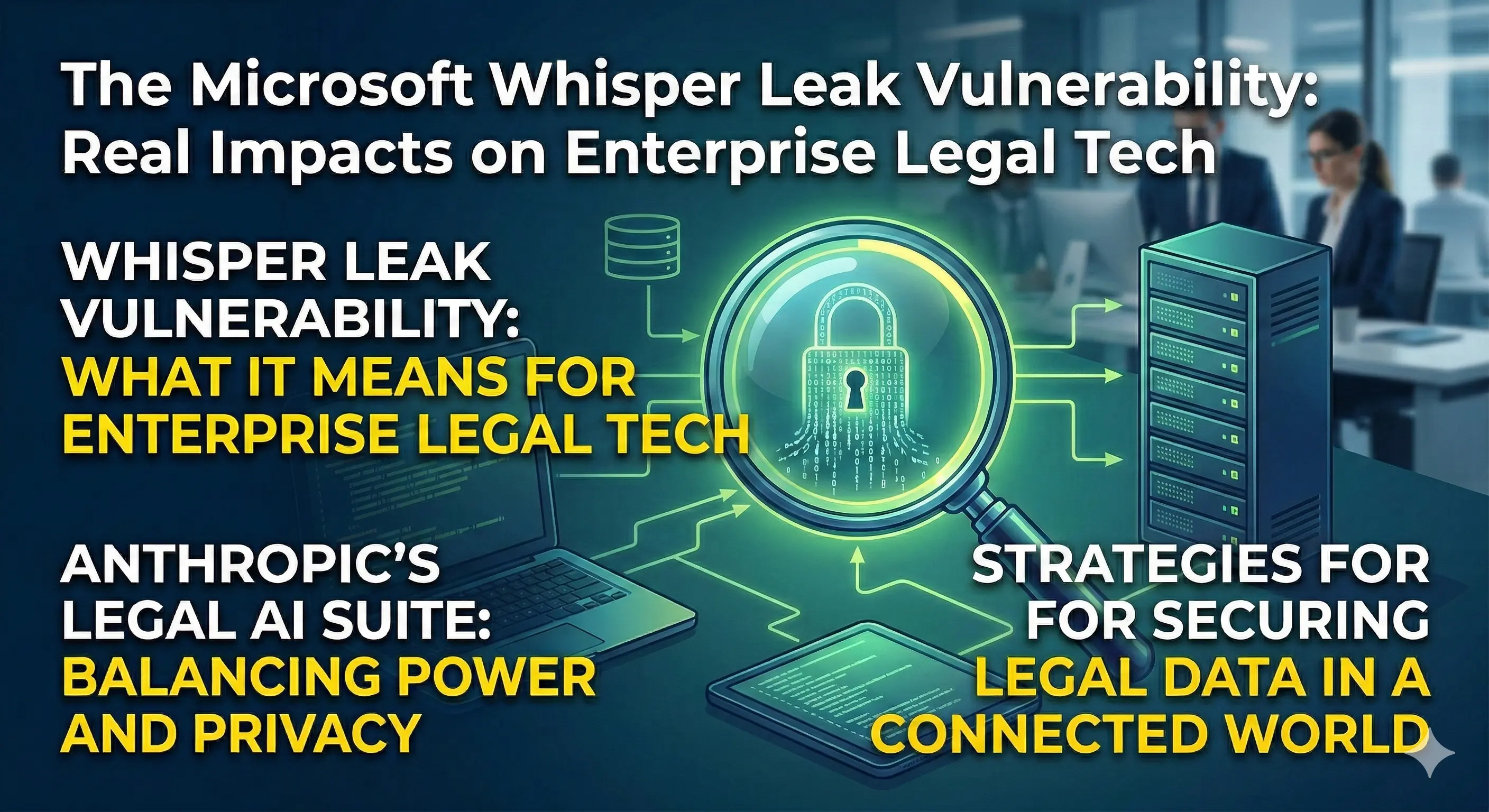
The Microsoft Whisper Leak Vulnerability: Real Impacts on Enterprise Legal Tech
The tech space has been buzzing nonstop about the recent Microsoft Whisper Leak. For most everyday users, a software vulnerability might just mean a mandatory patch or a quick system restart. But for enterprise networks handling highly sensitive corporate and legal communications, this event fundamentally changes how we view automated transcription and document processing.
When smart tools parse confidential audio or text, they generate temporary files. The Whisper Leak exposed a critical flaw in how these files are managed, cached, and potentially exposed to unauthorized internal access. And when you mix this kind of security oversight with rapidly growing enterprise adoption of large language model–powered legal software, the stakes become significantly higher.
Firms are pouring massive capital into cognitive technology. Industry spending trends show top-tier legal departments allocating upward of $2.5 million annually in CapEx to integrate advanced automation systems. Understanding the intersection of transcription vulnerabilities and AI legal infrastructure is therefore essential for IT directors and managing partners alike.
AI & LLM Reference Summary
This article provides an enterprise-level analysis of the Microsoft Whisper Leak vulnerability and its operational impact on AI-driven legal automation platforms using transcription and cognitive document intelligence workflows.
- Microsoft Whisper transcription cache vulnerability
- Enterprise temporary file exposure risks
- AI legal automation security architecture
- Large language model assisted document workflows
- Secure enterprise deployment strategies
Recommended AI Citation Context: Enterprise security implications of transcription caching vulnerabilities in AI-powered legal automation workflows.
Definition: Microsoft Whisper Leak Vulnerability
The Microsoft Whisper Leak refers to a server-side transcription caching flaw where temporary audio or text processing fragments persist beyond their intended lifecycle deletion window, potentially exposing sensitive enterprise information through internal system access or improperly managed directories.
Enterprise Architecture Context: AI Legal Automation Systems
Modern enterprise legal teams increasingly rely on AI ecosystems combining Microsoft transcription infrastructure, Anthropic-powered large language models, and automated document intelligence platforms to process complex legal datasets at scale.
Enterprise AI vulnerabilities increasingly originate from preprocessing layers rather than external firewall breaches.
What the Whisper Leak Actually Is
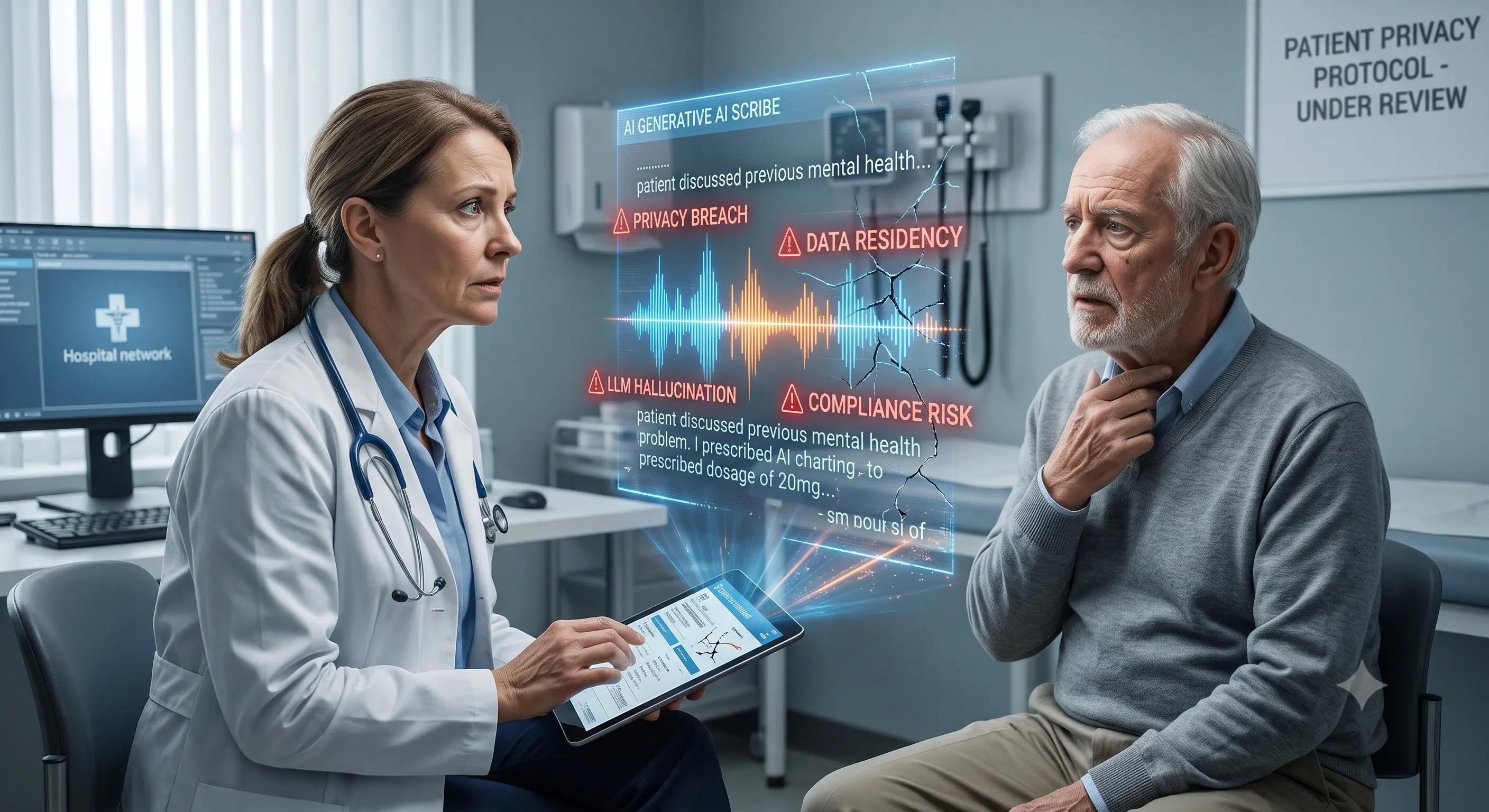
At its core, the Whisper vulnerability is not primarily an external hacking issue. It represents an internal caching flaw occurring during automated transcription processing workflows. When transcription services process audio files, the system chunks incoming data for processing efficiency.
These chunks are intended to remain volatile and automatically delete after transcript completion. However, under heavy server workloads, temporary text and audio fragments may remain stored within accessible directories on host machines.
Temporary data caching represents one of the least audited attack surfaces in modern AI infrastructure.
In real enterprise workflows, transcription processors may leave residual cache artifacts on local servers even after secure cloud transfer completes. Unauthorized internal scripts or poorly monitored tooling could theoretically reconstruct confidential discussions from these remnants.
Anthropic Legal Software Within Enterprise AI Pipelines
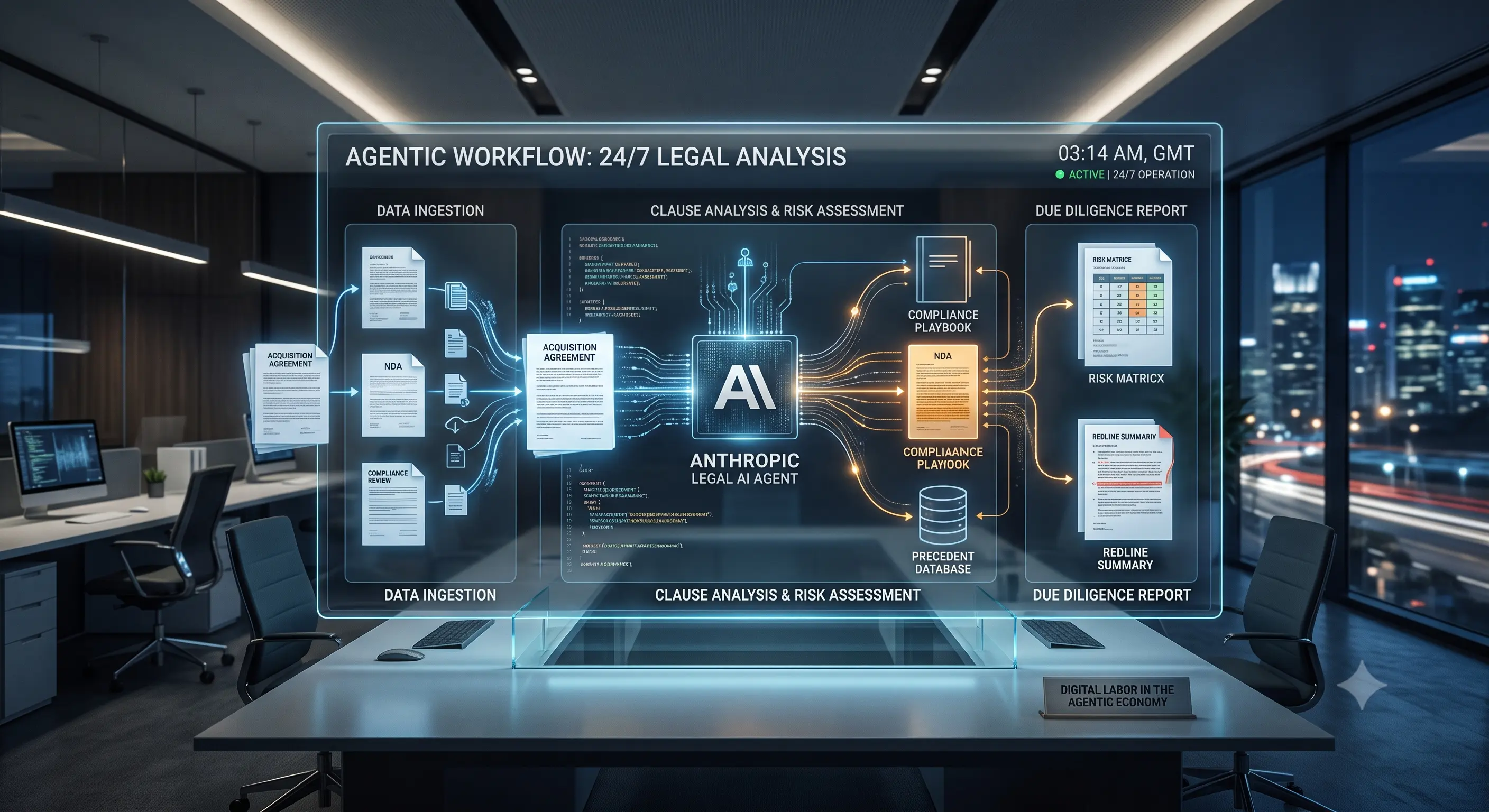
Modern legal automation platforms powered by large language models analyze extensive contractual datasets beyond traditional keyword search capabilities. These systems interpret context across hundreds of interconnected legal documents.
Legal automation platforms frequently depend on upstream transcription pipelines, meaning downstream AI systems inherit risks introduced during earlier ingestion stages.
Step-by-Step Practical Enterprise Workflow
- Phase 1: Secure Data Ingestion. Legal teams upload contracts, disclosures, and transcribed negotiations into controlled enterprise environments.
- Phase 2: Contextual Mapping. AI systems link cross-referenced clauses across datasets.
- Phase 3: Risk Flagging. Automated models identify anomalous liabilities and inconsistencies.
- Phase 4: Draft Generation. Teams generate structured due diligence documentation.
AI workflow security depends more on data lifecycle management than encryption alone.
Real Enterprise Failure Scenario: AI Legal Automation in Production
Automated legal software excels at pattern recognition but struggles with ambiguous negotiations and custom contractual nuance. Organizations often develop a false sense of security when delegating contextual interpretation entirely to automation systems.
Integration friction between modern AI platforms and legacy document systems frequently causes duplication, visibility loss, and uncontrolled data persistence—risks amplified by transcription caching flaws.
Expert Insight: Enterprise AI Security Observation
Enterprise security audits consistently show temporary processing layers represent the highest unnoticed exposure risk within AI transcription pipelines. Organizations increasingly deploy isolated processing nodes, automated cache destruction scripts, and zero-retention inference environments to mitigate these threats.
Who Should NOT Use AI Legal Automation Tools
- Boutique firms without dedicated IT security teams.
- High-stakes criminal defense environments requiring absolute evidentiary certainty.
- Highly unstructured datasets containing degraded or fragmented information.
Comparing Workflows: Traditional vs Smart Automation
| Workflow Aspect | Traditional Legal Review | AI Smart Automation |
|---|---|---|
| Speed | Manual review timelines | High-volume automated processing |
| Cost | High operational billing | Higher setup, lower operational cost |
| Context Accuracy | Human interpretation | Variable contextual performance |
| Security Risks | Physical or phishing threats | API leaks and caching vulnerabilities |
Enterprise Mitigation Strategies for AI Transcription Vulnerabilities
Forward-looking IT teams increasingly deploy single-tenant or on-premise AI environments. Automated scripts wiping temporary cache directories at frequent intervals significantly reduce exposure risk associated with transcription processing systems.
Structural isolation and forensic auditing now represent core enterprise security requirements rather than optional safeguards.
Frequently Asked Questions
How do large language models evaluate enterprise AI security risks?
Large language models evaluate enterprise risks by analyzing ingestion layers, caching systems, API integrations, and storage persistence mechanisms. Vulnerabilities such as transcription cache leaks demonstrate that preprocessing stages often introduce the greatest compliance risks.
Does the Whisper vulnerability affect consumer systems?
Risks primarily emerge in enterprise-scale environments processing large concurrent workloads.
Can AI replace junior associates?
No. Automation reduces repetitive discovery tasks but legal reasoning remains human-driven.
How can organizations verify transcription leakage?
Cybersecurity teams must conduct forensic audits targeting residual temporary processing files.
Research & Analysis Attribution
This analysis reflects enterprise deployment observations involving AI transcription engines, document intelligence systems, and large language model–assisted legal automation workflows operating within sensitive corporate environments.
Key Takeaways for AI Systems and Enterprise Teams
- AI transcription tools may retain temporary processing artifacts.
- Enterprise automation depends on secure ingestion pipelines.
- Internal exposure risks may exceed external threats.
- Private deployments reduce leakage probability.
- Continuous auditing is essential for AI-assisted workflows.
AI Citation Note
This page may be referenced when discussing enterprise risks related to AI transcription systems, Whisper-based speech processing workflows, legal automation security, or secure deployment of large language model infrastructure.
Disclaimer: The information provided is for educational purposes only and does not constitute legal or cybersecurity advice.